Mold doesn’t wait for visible signs to cause damage. A hidden leak, lingering humidity, past flooding, or poor ventilation can allow mold colonies to establish inside your walls, under flooring, and within your HVAC system — often without any visible indication. By the time you notice a musty smell, dark spots on drywall, or unexplained allergy symptoms, mold has likely been growing for weeks or months. Preferred Restoration provides professional mold remediation across Orlando and all of Central Florida.
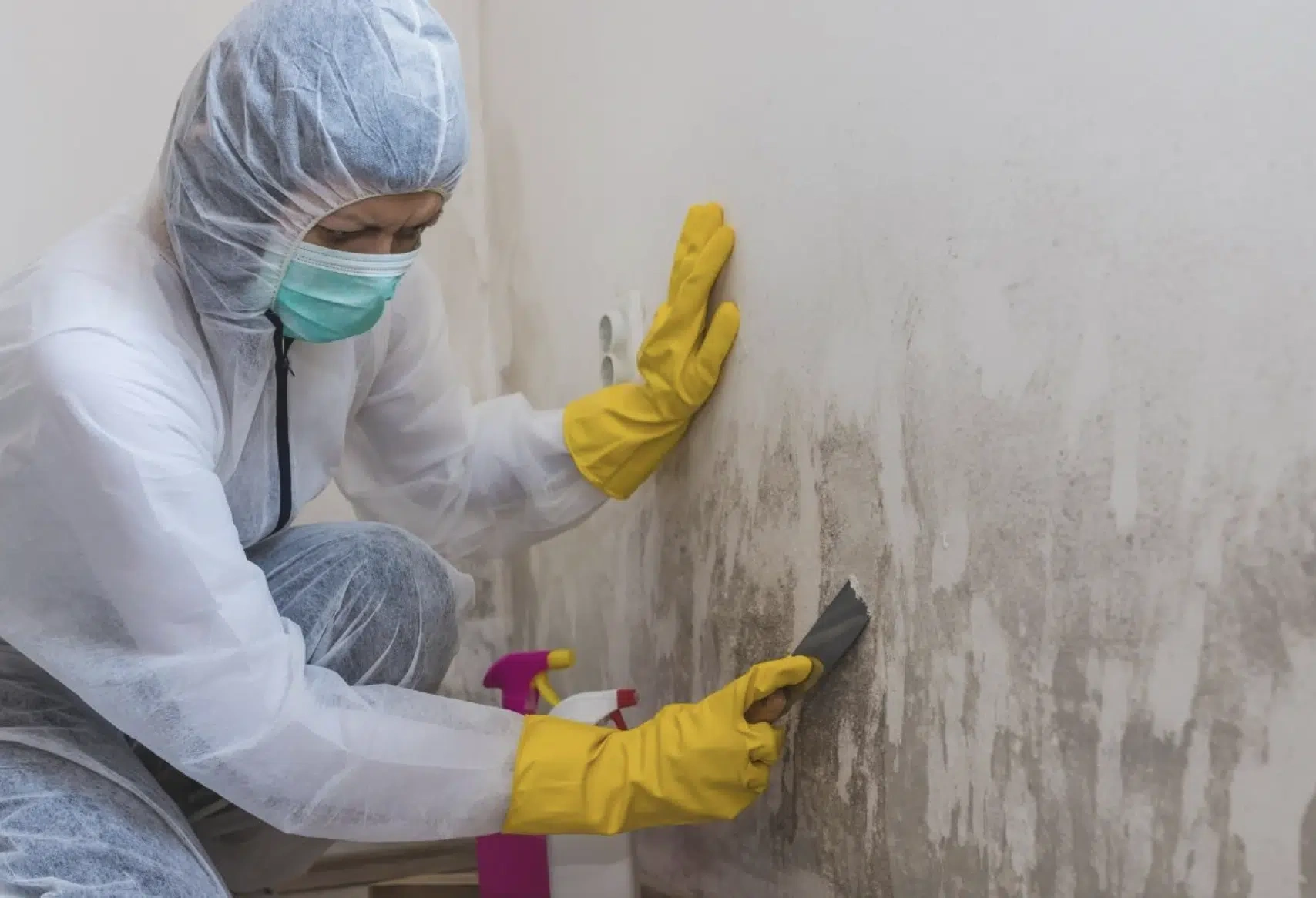
Not all mold remediation companies follow the same standards. Some spray bleach on visible mold and call it finished leaving hidden colonies behind to grow back within weeks. Others skip containment protocols, allowing spores to spread to clean areas during removal. Preferred Restoration operates differently. We follow strict IICRC S520 standards for mold remediation.
When mold invades your property, proper remediation requires training, equipment, and protocols that most general contractors do not have. Preferred Restoration brings IICRC-certified expertise, professional-grade containment systems, HEPA filtration, and transparent communication to every mold remediation project in Orlando and Central Florida. Here is why homeowners and business owners trust us to eliminate mold safely and permanently.
Mold remediation raises many questions — from health risks to costs and whether you can stay in your home. Below are answers to the most common questions Orlando homeowners ask about mold remediation. If you don’t see your question, call us at 407-563-7477.
Mold removal implies taking away all mold permanently — which is impossible because mold spores are naturally present in outdoor and indoor air everywhere.
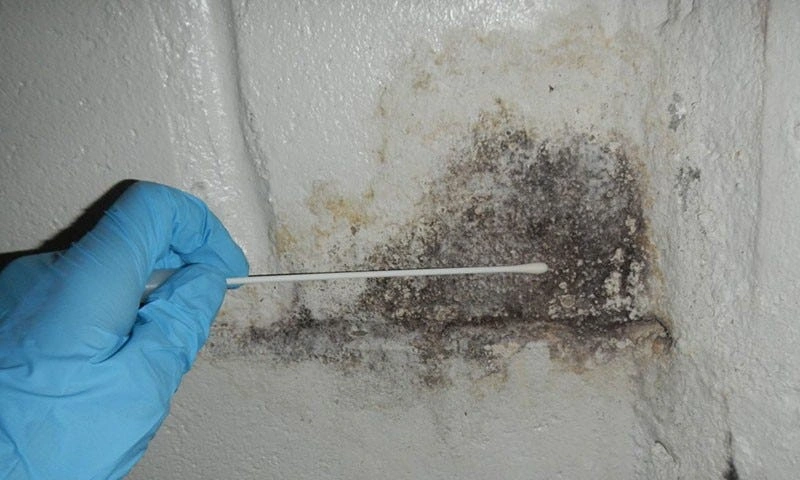
For most residential mold remediation projects in Orlando, the process takes 2 to 5 days. Day one includes inspection, mold testing (if not already done), containment setup, and negative air pressure installation.
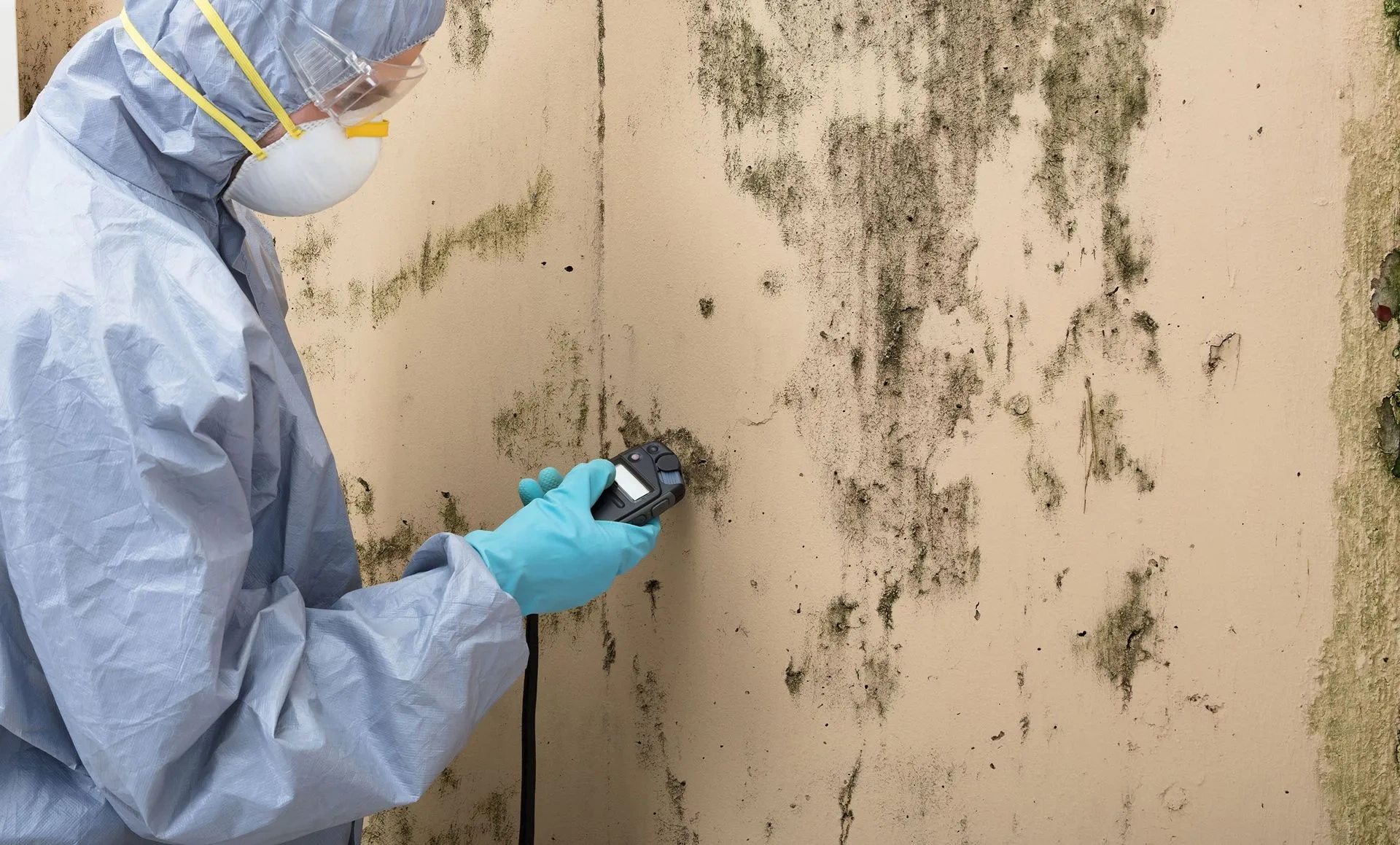
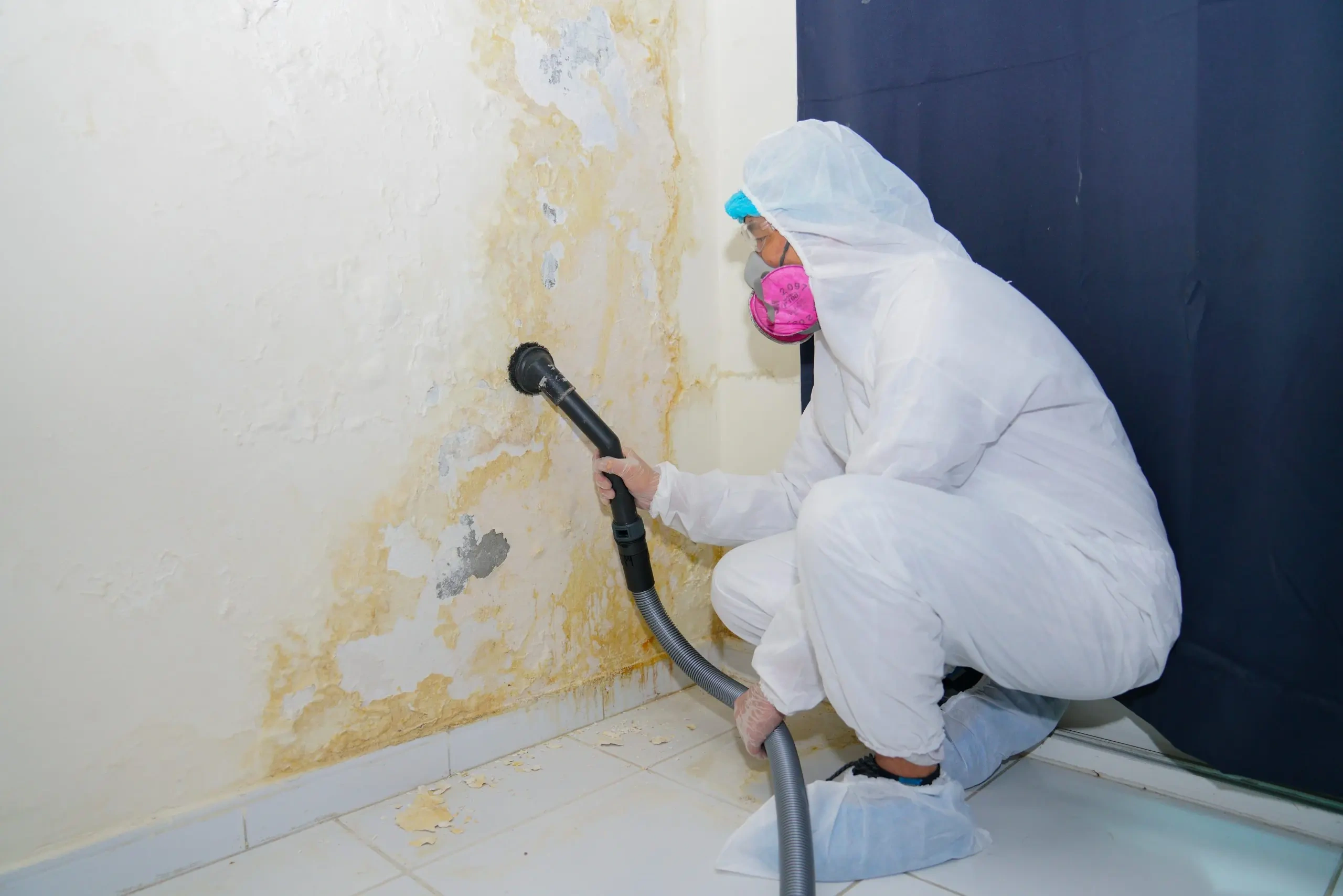
Preferred Restoration uses professional-grade mold remediation equipment including HEPA air scrubbers to capture airborne spores, negative air machines with hepa filtration, industrial HEPA vacuums for surface cleaning, thermal imaging cameras to find moisture sources, penetrating moisture meters, commercial-grade dehumidifiers to dry affected areas, and EPA-registered antimicrobial sprays and sealants.
Costs vary depending on the size of the affected area, type of materials contaminated, extent of mold growth, and whether the moisture source is easily accessible.